Introduction
Navigating the complexities of tracheostomy and ventilator training is critical for clinicians that want to provide ideal care for patients calling for breathing assistance. As medical care continues to advance, recognizing the subtleties of air passage administration and air flow has actually never ever been more crucial. This write-up intends to give best methods, understandings, and detailed standards for clinicians associated with tracheostomy and ventilator training.
Understanding Tracheostomy and Ventilator Support
What is a Tracheostomy?
A tracheostomy is a medical procedure that includes producing an opening in the neck to position a tube right into the windpipe (trachea). This intervention is typically needed when a client can not take a breath appropriately as a result of various problems, such as serious respiratory system distress, respiratory tract blockage, or extended mechanical air flow requirements.
What is Ventilator Support?
Ventilator assistance refers to making use of equipments that help or change spontaneous breathing. It's pivotal in handling people with respiratory failing where standard breathing methods are insufficient.
Types of Ventilators
Invasive Ventilators: These need intubation or a tracheostomy. Non-invasive Ventilators: These typically utilize masks or nasal devices.Navigating Tracheostomy and Ventilator Training: Ideal Practices for Clinicians
Importance of Comprehensive Educating Programs
Clinicians have to engage in thorough training programs concentrating on both tracheostomy treatment and ventilator administration. Such training courses not just enhance professional skills but also foster self-confidence in emergency situation situations.

Basic Ventilator Course: What to Expect
A standard ventilator training course covers basic concepts consisting of:
- Understanding various modes of ventilation Adjusting ventilator setups based on individual needs Recognizing alarm system signals
These aspects allow clinicians to react efficiently during vital treatment scenarios.
Essential Components of Ventilation Training Courses
Curriculum Introduction for Ventilation Training Courses
The optimal educational program should include:
- Anatomy relevant to air passage management Pathophysiology underlying breathing failure Practical sessions using simulation models
This thorough method ensures that registered nurses are well-appointed with both academic knowledge and useful expertise.
Ventilator Training for Registered nurses: Key Aspects
Nurses play an indispensable function in handling individuals on ventilators. Their training needs to stress:
- Monitoring person response Troubleshooting common issues Collaborating with respiratory system therapists
Such training ensures all natural take care of patients needing advanced respiratory tract management.
Advanced Airway Administration Techniques
Airway Administration Strategies
Effective airway monitoring includes numerous techniques matched to individual patient demands:
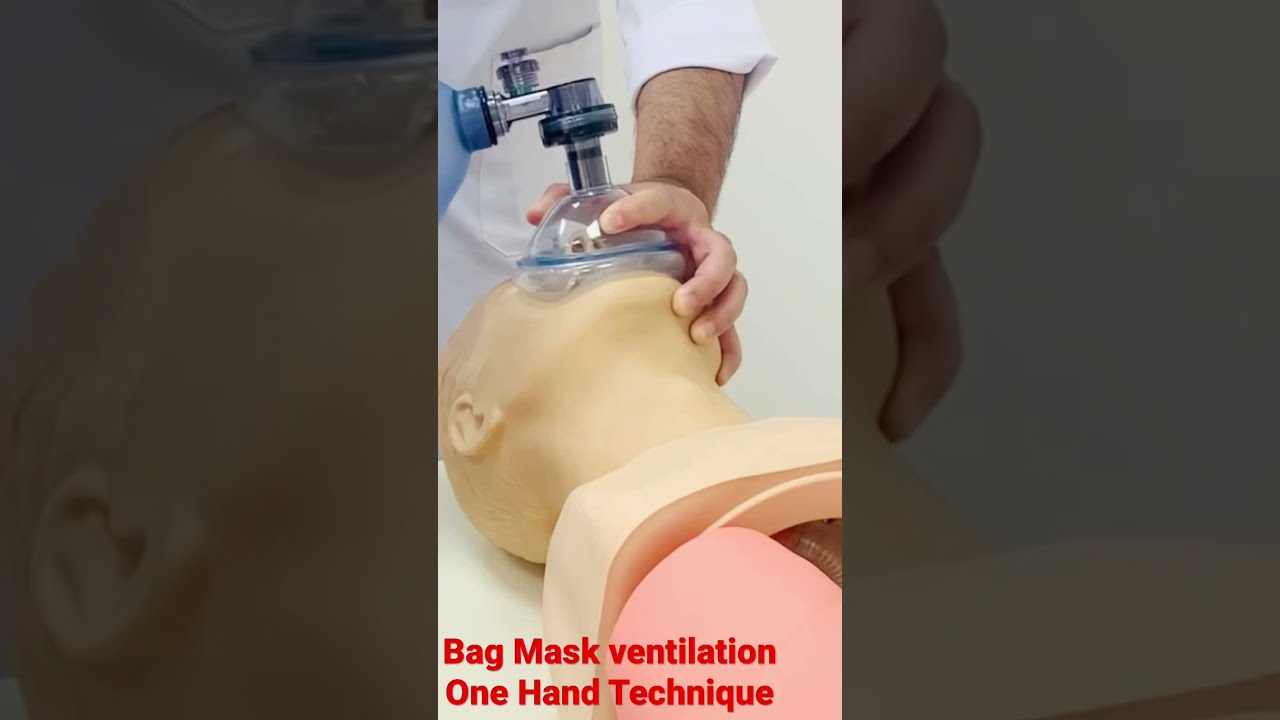
Bag-Valve-Mask (BVM) Ventilation: Vital throughout initial resuscitation. Endotracheal Intubation: Utilized when prolonged air flow is anticipated. Tracheostomy Care: Important for long-term air flow patients.Each technique calls for particular skills and understanding, making continual education vital.
Key Considerations in Tracheostomy Care
Indications for Tracheostomy Placement
Tracheostomies might be shown when:
- Prolonged mechanical air flow is required. Upper air passage obstruction occurs. Patients need a stable respiratory tract due to neuromuscular disorders.
Understanding these indications helps clinicians make informed decisions regarding intervention timing.
Post-Tracheostomy Treatment Protocols
After placement, cautious surveillance is vital. Trick methods consist of:

These steps dramatically minimize problems such as infections or blockages.
Ventilator Settings and Person Monitoring
Understanding Ventilator Settings and Settings
Clinicians have to be proficient in changing ventilator settings based upon the following specifications:
- Tidal Quantity (TV) Respiratory Rate (RR) Positive End Expiratory Stress (PEEP)
Each setup plays a significant function in maximizing individual end results during mechanical ventilation.
Monitoring Patient Reaction to Air Flow Support
It's essential to continuously evaluate individual response through:
Arterial blood gas analysis Pulse oximetry Clinical indicators such as frustration or sleepinessProper tracking can cause timely interventions, enhancing overall healthcare outcomes.
The Role of NDIS in Ventilation Training Courses
NDIS Ventilation Training course Overview
The National Disability Insurance policy System (NDIS) supplies specialized training courses aimed at improving clinician abilities in handling people requiring long-term ventilation support.
Benefits of NDIS Ventilation Training Programs
Engaging with NDIS-approved courses uses advantages such as:
Tailored web content addressing unique person needs. Practical workshops emphasizing hands-on learning. Networking opportunities with knowledgeable professionals within the field.These features guarantee that medical professionals are well-prepared for real-world obstacles they might face when caring for patients requiring complex air flow support.
Collaborative Method in Airway Management and Air Flow Care
Interdisciplinary Team effort Importance
A joint strategy including several self-controls-- doctors, registered nurses, respiratory system therapists-- ensures comprehensive treatment shipment for patients requiring innovative airway management and ventilation support.
Table 1: Duties of Various Group Members
|Profession|Role Description|| --------------------------|-----------------------------------------|| Medical professional|Diagnostic assessment & & treatment plan|| Nurse|Individual monitoring & & straight treatment|| Respiratory system Therapist|Devices tracheostomy and ventilator training administration & & troubleshooting|
This synergy improves interaction, resulting in much better individual results while promoting an atmosphere where continuous understanding thrives.
Challenges Encountered by Medical professionals During Tracheostomy and Ventilator Management
Common Challenges
Inconsistent adherence to protocols. Lack of familiarity with devices adjustments. Difficulty recognizing difficulties early on.Recognizing these difficulties enables establishments to carry out targeted educational programs resolving spaces in knowledge or method among medical professionals involved in tracheostomy and ventilator care.
FAQ Section
1. What credentials do I require for basic ventilator training?
To sign up in basic ventilator programs, it's normally recommended that participants have foundational expertise in nursing or breathing therapy together with professional experience working with people requiring breathing support.
2. Just how typically need to medical professionals participate in refresher courses?
Regular correspondence course are advisable every 1-- 2 years; this ensures that medical professionals stay upgraded on the current practices, technologies, and protocols connected to air passage management.
3. What particular skills are educated during ventilator training?
Ventilator training furnishes participants with abilities such as changing settings based upon professional judgment, acknowledging alarm signals from equipment, and performing regular upkeep look at ventilators.
4. Exist any type of dangers associated with tracheostomy procedures?
Yes, prospective threats include blood loss, infection at the laceration site, unintended decannulation (elimination of the tube), or injury to bordering structures.
5. Can non-invasive techniques replace intrusive ventilation entirely?
While non-invasive approaches can be reliable for certain conditions like COPD worsenings, intrusive approaches stay important for severe situations where prompt control over airflow is necessary.
6. Just how does one examine if a client requires transitioning from intrusive to non-invasive support?
Clinical criteria consist of improvement in gas exchange metrics (e.g., lower CO2 degrees), decreased demand for sedation, ability to adhere to commands showing neurological standing improvement.
Conclusion
Navigating tracheostomy and ventilator training provides both challenges and chances for development among healthcare specialists committed to enhancing person results within this critical area of medication. By accepting continuous education and learning via specialized courses such as fundamental ventilator courses or NDIS-approved airway and ventilation management programs while fostering team effort throughout techniques boosts our collective capacity-- ultimately bridging voids in between expertise deficits experienced throughout real-time medical method experiences dealt with daily by frontline workers today!
In summary, cultivating experience via structured training not only prepares clinicians yet likewise boosts their confidence degrees when supplying top quality treatment targeted at advertising much better recuperation courses within prone populations that depend greatly upon these elaborate systems developed specifically tailored in the direction of supporting life itself!